
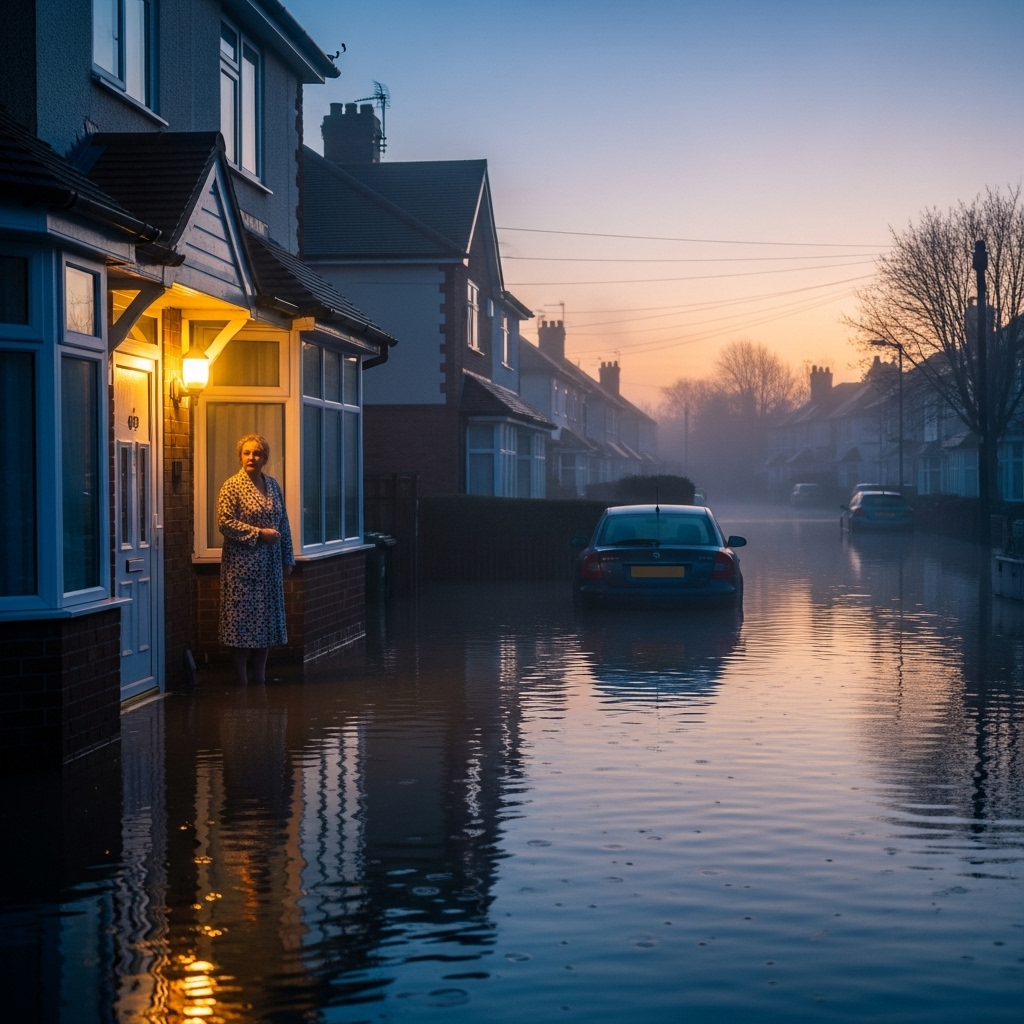
Receiving a flood warning can be scary and stressful. Getting Flood Warnings UK means you must act right away to protect your family and home. Quick action saves lives and reduces potential damage. Knowing what to do in the first hour is crucial for safety and recovery. This guide shows homeowners the most important steps to take quickly.
Prepare Now: Immediate Steps for Homeowners
Move People, Pets, and Important Items
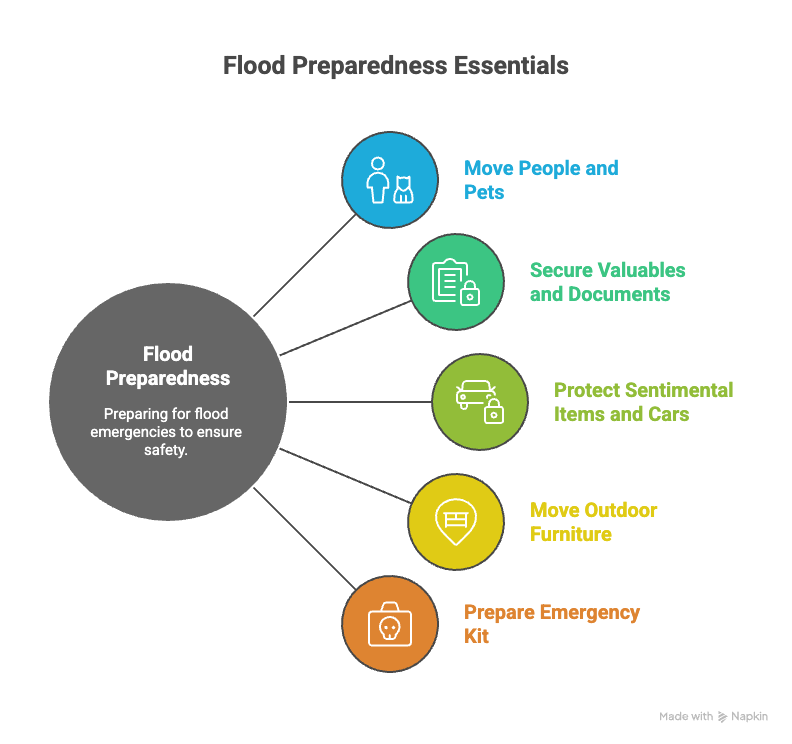
Your first priority is always safety for everyone in your home. Move family members and pets to the highest floor or a safe place nearby. Next, move valuables and important documents upstairs. Protect sentimental items and cars when facing Flood Warnings UK. Move outdoor furniture or heavy items that might float away.
Prepare Your Emergency ‘Grab Bag’
Have a ready-to-go emergency kit packed with essentials. Include copies of your home insurance and passport. Add vital prescription medications and bottled water. Pack a battery-powered radio and a working torch. This bag is for survival if you need to evacuate quickly.
Protecting Your Property When Water Rises
Shut Off Your Mains Safely
If floodwater is about to enter your house, turn off the utilities. Shut off your electricity and gas supply at the main switch if it is safe. Do not touch electrical switches if you are standing in water. Water and electricity are a deadly mix. Turning off the water main can also help reduce damage.
Deploy Flood Defences
Install any property flood barriers you own immediately. Check that air brick covers and doorway barriers are secured tightly. If you have them, place sandbags around drains and door openings. These defences may help block or reduce water coming into your home. This gives you precious extra time to save belongings.
Staying Safe During and After Flood Warnings UK
Never Walk or Drive Through Floodwater
Floodwater hides many dangers like open manholes and debris. Six inches of fast-moving water can knock over an adult easily. Do not drive through floodwater, as two feet of water can float a car. If you must evacuate, follow all advice from the emergency services. They will guide you to a designated safe area.
What To Do After the Water Has Gone
After a flood, you must take careful steps to return home and start cleaning.
Check Your Home Before Switching Power On
Call an electrician if your home was underwater. Faulty wiring can cause fires or shocks. You can also read this helpful guide on electrical home safety tips from Wendy Waldman:
https://wendywaldman.com/electrical-home-safety-tips-everyone-should-know/
Wait for Safety Approval
Authorities will confirm when your area is safe. Do not enter flooded homes early. Hidden risks remain long after water leaves.
Take Photos for Insurance
Record damage before you move or repair anything. Clear photos help support your claims and reduce delays.
Check Your Home Before Switching Power On
Call an electrician if your home was underwater. Faulty wiring can cause fires or shocks.
How to Stay Prepared for Future Flood Warnings UK
Flooding is becoming more common in the UK. Staying ready helps reduce stress and loss.
Sign Up for Flood Alerts
Register for alerts from trusted UK services. These warnings reach you by phone or email.
Create a Family Flood Plan
Make a simple plan for your family. Decide who grabs the emergency bag and where you will meet if you must leave home.
Invest in Basic Flood Protection Tools
Simple items like door guards, water pumps, and waterproof storage boxes help keep your home safe.
Final Cohesive Thoughts on UK Flood Safety
Dealing with the aftermath of Flood Warnings UK requires care and patience. When it is safe, contact your insurance provider before starting any cleanup. Take clear photographs of all flood damage for your claim. If you live in a high-risk area, register for Flood Warnings UK alerts through the government website.
Taking these immediate steps quickly can save lives and property. Being prepared is the best defence against flooding. Stay safe during any future Flood Warnings UK that may affect your area.
Here are the trusted resources used to gather accurate information for this article:
• UK Government Flood Alerts
https://check-for-flooding.service.gov.uk/alerts-and-warnings
• BBC Weather Flood Warnings
https://www.bbc.co.uk/weather/warnings/floods