
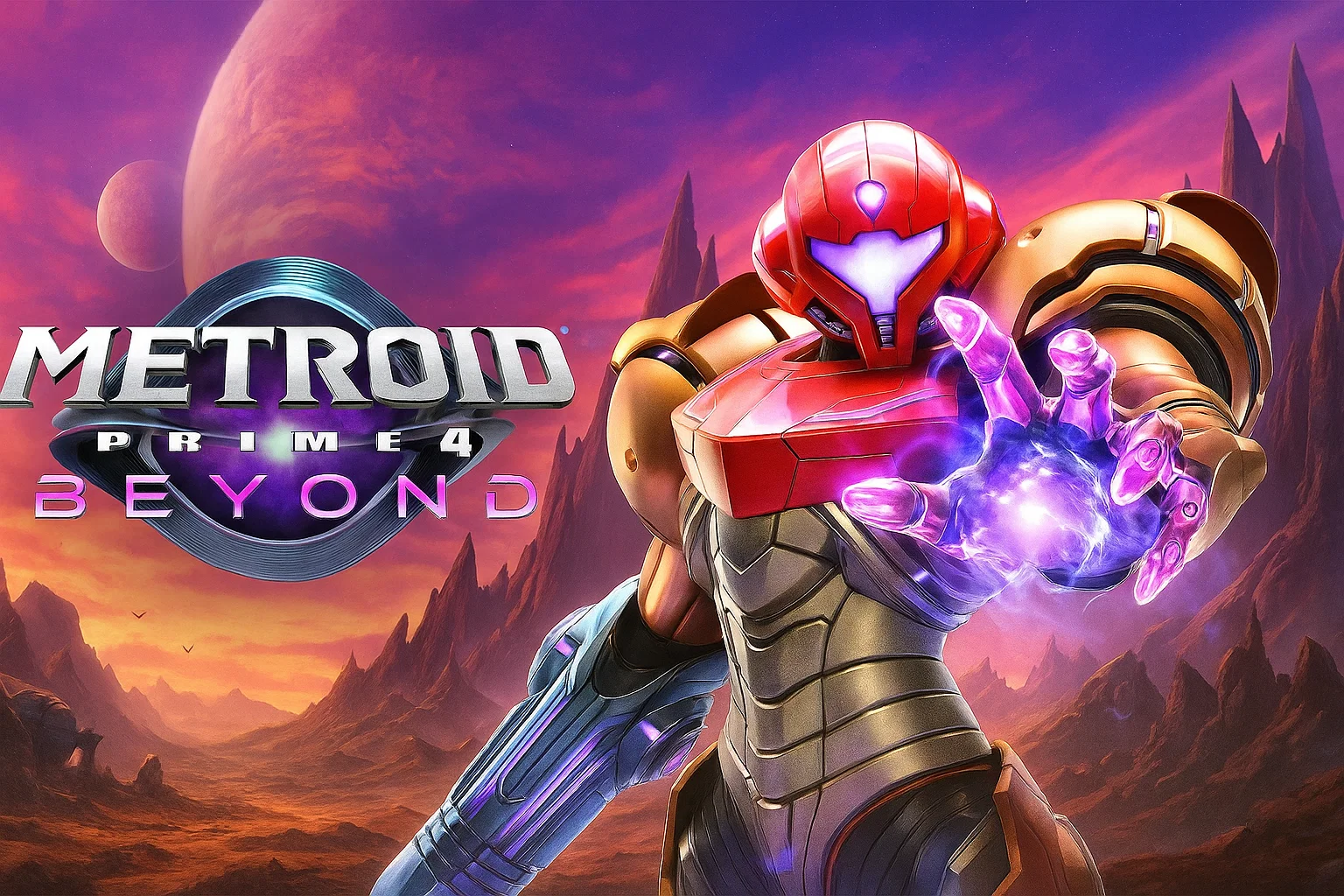
Metroid Prime 4 finally returns on December 4, 2025, and it embraces what made the original series a standout. From claustrophobic corridors to tense boss fights, the game delivers on core strengths fans expect. Yet it also introduces new elements in visuals, mechanics, and storytelling that test whether “staying true” can coexist with modern ambitions.
In this piece we dive into how Metroid Prime 4 balances legacy and innovation, where it shines and where it stumbles offering gamers a data-rich, honest breakdown.
Quick Facts & Data Overview
| Feature | Detail |
|---|---|
| Release Date | December 4, 2025 |
| Platforms | Nintendo Switch, Nintendo Switch 2 |
| Graphics Mode (Switch 2) | 4K, 60 FPS or 720p, 120 FPS |
| Core Gameplay | First-person exploration, puzzle-solving, exploration, power-ups, boss fights |
| New Mechanics | Psychic powers, vehicle traversal (motorcycle), open-area overworld |
| Criticism Summary | Overworld bloat, clunky extras, companion dialogue, limited enemy variety |

Roots: Classic Exploration, Atmosphere, and Puzzle-Based Progression
Core Mechanics Remain Faithful
Metroid Prime 4 retains the series’ hallmark first-person exploration and sequence-based progression. Players unlock upgrades gradually, explore labyrinthine levels, scan environments for clues, and tackle puzzles before proceeding. Many reviewers confirm this return to fundamentals, noting that locked doors, gradual power-ups and environmental storytelling mirror earlier entries.
This retention matters: it preserves the tension, mystery, and reward structure that defined the original trilogy. When the fundamentals hit, the game recaptures feelings of wonder and dread. The takeaway: even in 2025, classic design still works.
Atmosphere & Level Design Impress
Visually and tonally, Metroid Prime 4 stands out. On the newer console (Switch 2), it runs in 4K at a stable 60 FPS while delivering detailed environments, moody lighting, and immersive soundscapes.
That design evokes the eerie, alien worlds at the centre of what made Metroid compelling. When the game leans into these atmospheric strengths dank corridors, alien structures, subtle ambient audio, cryptic ruins it provides rare immersion in modern gaming. This thoughtful design shows that staying true to the franchise’s roots remains its greatest strength. Don’t miss our recent post about Silver Price Surges to Record High Above $56 Amid Bullish Momentum.
New Additions, Psychic Powers, Overworld, and Visual Upscale
Psychic Powers Innovation or Gimmick?
In a notable shift, Metroid Prime 4 introduces psychic powers for the protagonist. These give Samus new abilities like remote beam control, environmental manipulation and puzzle-oriented interactions.
At their best, these powers offer fresh ways to approach familiar tasks, adding depth and variation to gameplay. However many critics found the powers clunky or unnecessary, detracting from the streamlined feel of past games.
Overworld & Expanded Scope A Mixed Bag
The game includes a large desert-style overworld that players navigate on a motorcycle. This represents a departure from the tight, confined levels of previous Prime entries.
Graphics upscale, bigger world these should be bonuses. And indeed, the ride has some fun moments: controls feel smooth, driving mechanics are responsive, and traversal offers a break from corridor-bound tension.
Yet many consider this addition a misstep. The overworld often feels empty and bare; backtracking becomes tedious; and the expanded scope dilutes the tightly-woven level design that made earlier games satisfying.

Balancing Strengths and Weaknesses, Reception & What Works
Where Metroid Prime 4 Succeeds
According to multiple reviewers, Metroid Prime 4 “shines” when it leans into classic Metroid-style design. Its atmosphere, level design, and immersive environments earn repeated praise.
Technical aspects impress as well: high-resolution graphics, smooth frame rates, crisp sound design, and stable controls, even on handheld mode.
For players hungry for nostalgia and atmospheric exploration, Metroid Prime 4 delivers more than enough to satisfy.
Where It Falls Short Design Choices That Divide Players
Critics also point out flaws. Psychic powers often feel awkward. Overworld traversal feels like padding. Companion characters (added to the narrative) break the classic sense of solitude.
Enemies lack variety. Boss encounters sometimes use recycled patterns. The result sometimes feels like a game that doesn’t quite know whether it’s honoring tradition or chasing modern design tropes.
Therefore, while the game has bright spots, some design choices may disappoint long-time fans expecting a classic Prime experience.
Bottom Line
Metroid Prime 4 succeeds largely because it remembers what made its predecessors great: exploration, atmosphere, mystery, and gradual reward. When the game leans into those strengths moody environments, precise controls, and classic progression it feels like a true return to form.
At the same time, its modern ambitions psychic powers, overworld, extra characters create friction. Some additions feel unnecessary or even harmful to the series’ identity.
If you crave the original Prime vibe with updated visuals and are willing to tolerate some rough edges, Metroid Prime 4 is a rewarding journey. But if you expect a flawless evolution, the game’s mix of legacy and overhaul may feel uneven.
Disclaimer:
The information in this article is based on publicly available data and game reviews. Game details, updates, and performance may change with future patches or developer updates.